
Environmental Compliance for Developers in Tennessee
20 Key Milestones to Keep Your Project on Track
From residential and commercial to mixed-use and industrial development, understanding your environmental compliance obligations is critical. Overlooking these requirements can lead to costly delays, redesigns, or regulatory penalties. As a leading environmental consulting firm based in Franklin, Tennessee, we’ve outlined 20 key environmental milestones every developer should be aware of—whether you're building a new subdivision in Middle Tennessee or repurposing an urban site in Memphis.
Environmental Due Diligence
The First Step in Every Development
1. Phase 1 Environmental Site Assessment (ESA)
A Phase I ESA is your baseline investigation into potential contamination. It’s often required by lenders and helps you qualify for liability protections. You’ll need a qualified environmental professional to assess historical uses, review aerial imagery and regulatory databases, and conduct on-site observations.
2. Phase 2 Environmental Site Assessment (ESA)
If the Phase I flags any recognized environmental conditions (RECs), a Phase II may follow. This involves soil, groundwater, or vapor sampling to confirm contamination and define cleanup needs—especially critical in Tennessee’s urban redevelopment zones.
3. Route Siting and Desktop Environmental Review
For linear infrastructure (roads, utilities, pipelines), early-stage route siting is essential.
- Desktop Environmental Review maps potential obstacles like wetlands, conservation easements, and steep slopes.
- Protected Resources Review identifies nearby endangered species habitats, streams, or other sensitive resources.
Natural Resource Considerations
Planning Around Tennessee's Protected resources
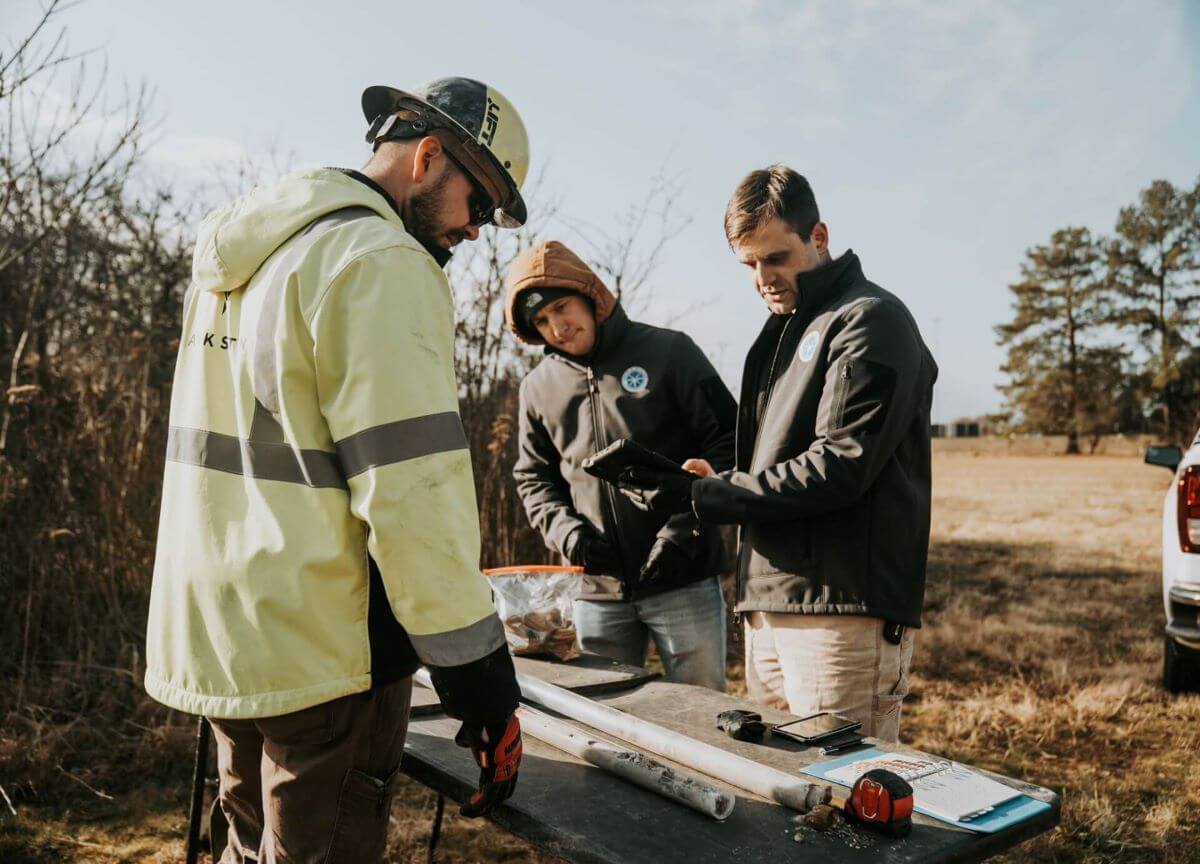
4. Wetland Delineations
Wetlands are protected at the federal and state level. A certified delineation determines their presence and boundaries on your site. In Tennessee, wetlands often occur near rivers, floodplains, or low-lying areas.
5. Stream Hydrologic Determination
A ditch or regulated stream? A hydrologic determination (HD) tells you if a feature qualifies for protection under Tennessee’s Water Quality Control Act. This is a key step before any land disturbance.
6. Army Corps of Engineers Permitting (Section 404)
If your project impacts a wetland or stream, you’ll likely need a federal permit through the U.S. Army Corps of Engineers—either a Nationwide Permit or an Individual Permit, depending on the scale of impact.
7. TDEC Environmental Permitting
TDEC issues Aquatic Resource Alteration Permits (ARAPs), Construction General Permits (CGPs), and more. Their involvement is essential when developing near waterbodies or discharging stormwater.
8. Endangered Species Review
Tennessee is home to over 100 federally listed species. The U.S. Fish & Wildlife Service and TDEC Natural Heritage Program may require habitat assessments or surveys, particularly in Middle and East Tennessee.
9. Conflict Analysis
By overlaying your proposed site layout with mapped wetlands, streams, and sensitive species, we can quantify unavoidable impacts and estimate required mitigation credits—critical for both budgeting and agency approvals.
Environmental Risk & Cleanup
A Critical Focus for Urban Redevelopment
10. Soil and Groundwater Remediation
Sites with past industrial or commercial uses may need remediation. Tennessee follows risk-based cleanup levels aligned with EPA guidance, overseen by TDEC’s Division of Remediation.
11. Brownfield Redevelopment
Tennessee offers liability protection and potential incentives for brownfield projects through its Voluntary Cleanup, Oversight and Assistance Program (VOAP).
13. Soil Vapor Intrusion Assessment
Vapor migration from contaminated soil or groundwater into buildings is a recognized risk. Assessment is often required in urban infill and brownfield redevelopment projects.
14. Underground Storage Tank Compliance
USTs—common in former gas station or industrial sites—are regulated by TDEC. If present, you'll need to assess their status and ensure closure, removal, or cleanup is properly managed.
12. Air Permitting for Industrial Developments
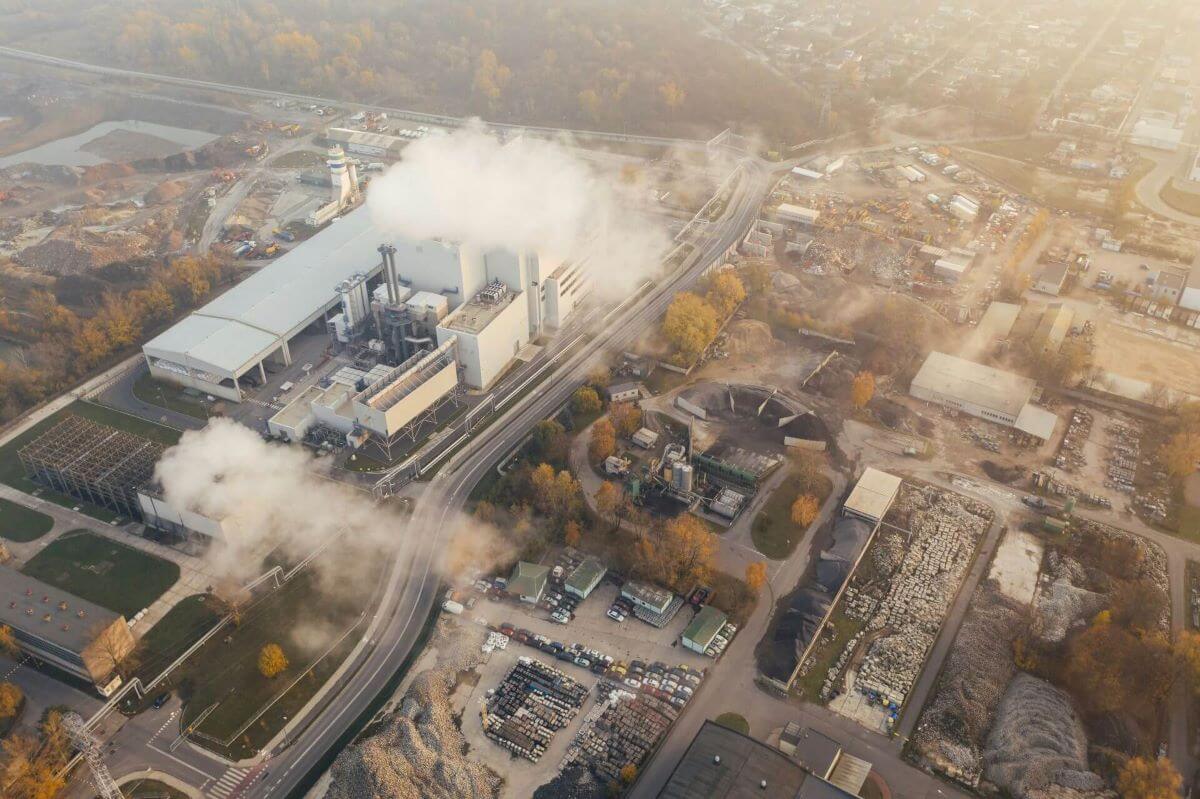
Planning a manufacturing or warehousing facility? You may need an air permit from TDEC’s Division of Air Pollution Control—especially if your project includes generators, boilers, or emissions-producing equipment.
Additional Compliance Considerations
For Your Development
15. Stormwater Pollution Prevention Plans
A SWPPP is required for developments disturbing more than 1 acre. This document outlines erosion control measures and must be submitted for a Construction General Permit (CGP).
16. Notice of Intent (NOI)
You’ll file this with TDEC prior to land disturbance activities—often alongside your SWPPP—to gain authorization under the CGP.
17. Mitigation Banking
If your project requires wetland or stream impacts, mitigation credits may be required. Tennessee uses both public and private mitigation banks; early budgeting for these is key.
18. Environmental Justice Considerations
Federal agencies and some local governments may require review of how your project impacts disadvantaged communities. This is increasingly important in grant-funded and publicly visible projects.
19. NEPA and Federal Nexus
If your project has federal funding, permitting, or land use, the National Environmental Policy Act (NEPA) may apply—triggering an Environmental Assessment (EA) or Environmental Impact Statement (EIS).
20. Long-Term Monitoring and Compliance
Some permits require post-construction monitoring, particularly for stormwater, wetlands, or remediation sites. Ensure your team plans for ongoing reporting and maintenance.
Your Path to Compliance in Tennessee
Whether your project is in Memphis, Nashville, Knoxville, Chattanooga, or a rural county in between, environmental compliance in Tennessee is both complex and critical to project success. Engaging with an experienced environmental consultant early can help you avoid delays, reduce costs, and meet both state and federal requirements with confidence.
Need assistance navigating Tennessee’s environmental regulations? Request a proposal from Lord & Winter to see how our compliance team can support your project.
Ready to Get Started?
I'm ready torequest a proposal